Welcome to Oppermann, we are a leading provider of diversified and multi-category webbing solutions.
Welcome to Oppermann, we are a leading provider of diversified and multi-category webbing solutions.
2025-11-11
Content
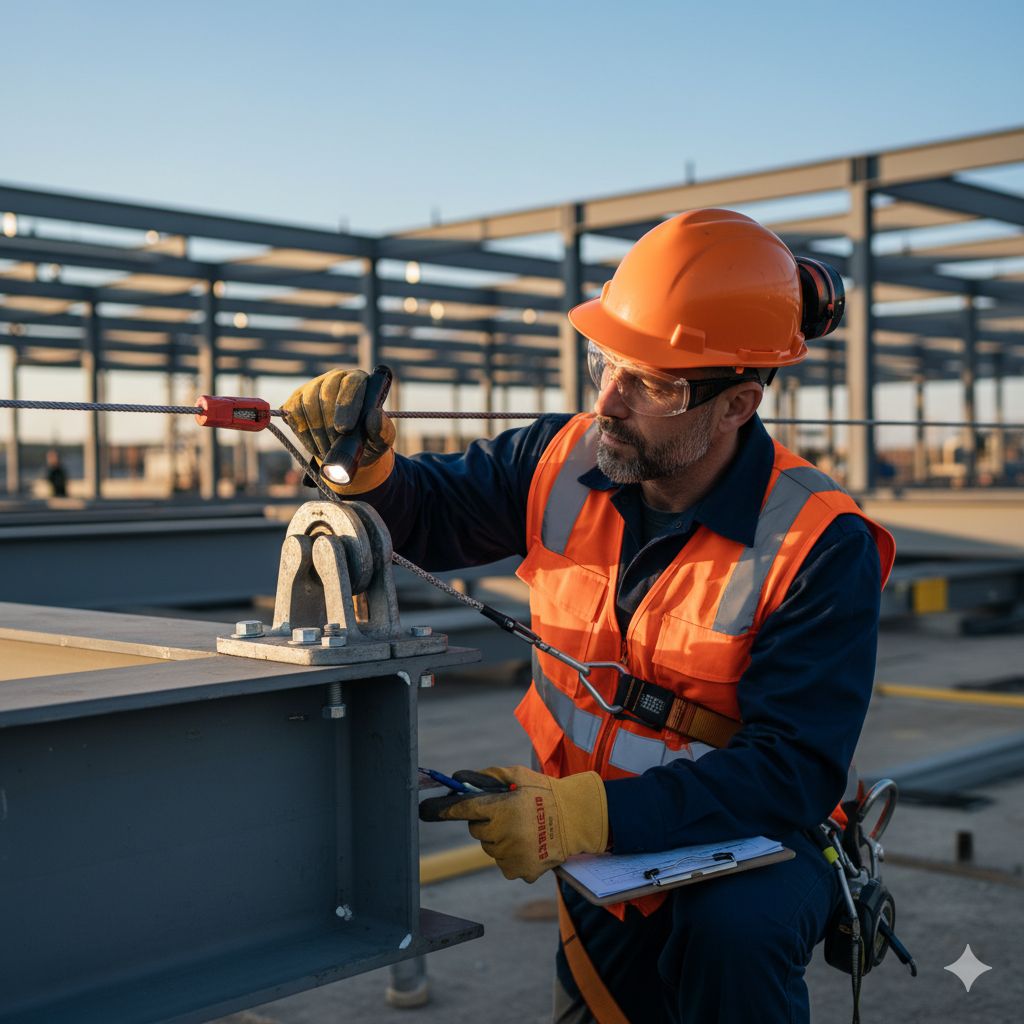
Anchorage points are the cornerstone of any effective fall protection system, providing a secure and reliable connection for personal fall arrest systems. Their integrity is paramount, as they bear the forces generated during a fall. A clear understanding of what constitutes a proper anchorage point, alongside correct selection, installation, and ongoing inspection, is essential for ensuring worker safety at heights. Without a robust and correctly utilized anchorage, the entire fall protection system is compromised, potentially leading to severe injury or fatality in the event of a fall.
Selecting the appropriate anchorage point involves evaluating several critical factors to ensure it can safely support the intended load. The type of work being performed, the forces anticipated during a fall, and the environment all play a significant role in this decision. It is not merely about finding a strong point, but rather a point that meets specific regulatory and engineering standards designed to withstand dynamic forces.
According to OSHA 1926.502(d)(15), anchorage points used for personal fall arrest systems must be capable of supporting at least 5,000 pounds (22.2 kN) per employee attached, or be designed, installed, and used as part of a complete personal fall arrest system which maintains a safety factor of at least two under the supervision of a qualified person. This strength requirement is crucial because it accounts for the potential impact forces generated during a fall, which can be significantly higher than the worker's static weight. The anchorage must withstand both the initial impact and any subsequent forces without failure or significant deformation.
Various types of anchorage connectors are available, each designed for specific applications and structural elements. Choosing the correct connector is vital for ensuring a secure and compliant connection to the anchorage point.
Correct installation is as crucial as the selection of the anchorage point itself. Even the strongest anchorage point can fail if improperly installed. This process often requires specialized tools and a thorough understanding of the manufacturer's instructions and relevant safety standards.
Every anchorage connector comes with specific installation instructions from the manufacturer. Adhering to these guidelines is not just a recommendation but a mandatory requirement for maintaining the product's safety rating and warranty. Deviating from these instructions can severely compromise the anchorage's integrity and invalidate its certification. Furthermore, all installations must comply with local, state, and federal regulations, such as OSHA and ANSI standards, which provide minimum requirements for fall protection systems.
The structural element to which the anchorage is attached must also be capable of withstanding the anticipated forces. This means evaluating the condition of the beam, roof, or concrete structure for any signs of damage, corrosion, or degradation. For example, attaching an anchor to a rusted I-beam or deteriorated concrete slab would be unsafe. In many cases, especially for permanent or engineered systems, a qualified person (e.g., a professional engineer) must approve the structural integrity of the attachment point.
The placement of the anchorage point directly impacts its effectiveness and the overall safety of the fall protection system. The anchorage should ideally be positioned directly above the work area to minimize swing fall hazards. Swing fall occurs when a worker falls and swings like a pendulum, potentially striking an obstruction. Adequate fall clearance is also critical; this refers to the minimum vertical distance required between the work surface and the lower level to prevent a worker from hitting the ground or an obstruction during a fall. This calculation must account for lanyard length, deceleration device elongation, harness stretch, and a safety factor.
Even after proper selection and installation, anchorage points require diligent and regular inspection and maintenance to ensure their continued reliability. Damage or wear can occur over time, compromising their ability to perform safely during a fall event.
Before each use, workers should conduct a thorough pre-use inspection of any temporary anchorage connector, checking for visible damage, wear, or improper installation. This includes looking for cuts on straps, deformation in metal components, or loose connections. In addition to daily pre-use checks, a competent person must conduct formal inspections of all fall protection equipment, including anchorage points, at least annually, or more frequently if required by the manufacturer or specific job conditions. A competent person is someone designated by the employer who is capable of identifying existing and predictable hazards in the surroundings or working conditions which are unsanitary, hazardous, or dangerous to employees, and who has authorization to take prompt corrective measures to eliminate them.
Maintaining detailed records of all anchorage point inspections, maintenance, and any incidents is crucial. This documentation provides a historical record of the anchorage's condition, helps track its lifespan, and demonstrates compliance with regulatory requirements. Records should include the date of inspection, findings, any corrective actions taken, and the signature of the inspector. This information can be invaluable for identifying patterns of wear, planning replacements, and demonstrating due diligence in safety management. Here's an example of a simple inspection log format:
| Date | Anchorage ID | Inspector | Condition | Action Taken | Next Insp. Due |
| 2023-10-26 | RA-001 | J. Doe | Good | N/A | 2024-10-26 |
| 2023-11-15 | BC-003 | A. Smith | Minor wear | Cleaned | 2024-11-15 |
After any fall event, the anchorage point, along with all other components of the fall protection system, must be immediately removed from service. Even if no visible damage is apparent, the forces experienced during a fall can cause microscopic damage or stress that compromises the anchorage's integrity. It must be thoroughly inspected by a competent person or manufacturer-certified technician before being considered for reuse. In many cases, the anchorage point will need to be replaced. Proper documentation of the fall event and subsequent inspection is also critical for incident investigation and future safety planning.
Recommended Products

Copyright © 2025 Oppermann Safety Webbing (Kunshan) Co., Ltd. All Rights Reserved. Polyester Webbing Supplier



 English
 русский
 Español
 عربى
عربى


