Welcome to Oppermann, we are a leading provider of diversified and multi-category webbing solutions.
Welcome to Oppermann, we are a leading provider of diversified and multi-category webbing solutions.
Sling wear pads are protective components used to shield lifting slings from abrasion and edge contact where the sling meets the load. By separating the sling from rough surfaces and sharp corners, they help reduce localized wear and extend sling service life in repeated handling.
This category supports common lifting environments such as construction, logistics, and manufacturing. Wear pads can be supplied as pre-cut pads or as cut-to-length material, allowing fabricators and end users to match different sling sizes and work conditions.
For efficient selection and quoting, please specify the sling type (round sling / webbing sling), required pad size (length/width), thickness or layer preference, and the contact condition (rough surface vs sharp edge). Wear pads improve protection, but they do not replace proper rigging and inspection practices—always use within your site’s lifting procedures.
Oppermann Safety Webbing (Kunshan) Co., Ltd. is a foreign sole legal person enterprise, is the second wholly-owned subsidiary of Oppermann Group in China.
The second wholly-owned subsidiary of Oppermann Group in China. Oppermann is constantly striving to utilize the latest high tech fibers, the most advanced weaving techniques and the latest dyeing technology in its manufacturing process. As
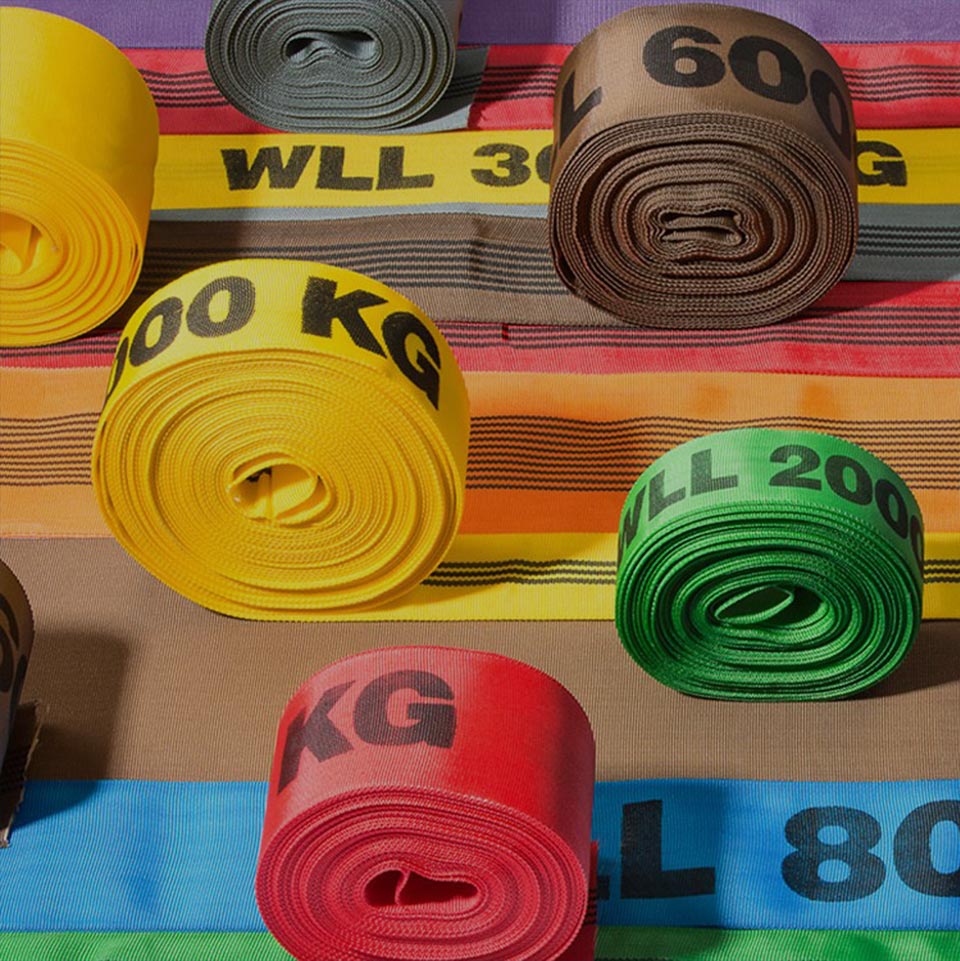
Sling Wear Pads Manufacturers and Polyester Sling Wear Pads Factory, Oppermann′s products include tie down webbing, lifting sling webbing, safety harness and seat belt webbing, static conductive webbing, military webbings and child restraint webbing.
Our company is mainly engaged in the production and sales of engineering special textiles and all kinds of special-purpose webbing, for civil industry, military industry, aerospace, land and ocean transportation, to provide a variety of conventional and special performance webbing. Sling Wear Pads Wholesale. The annual production of various series of webbing products for total is about 4000 tons.


A 2-inch stake pocket looks identical to a 3-inch pocket from three feet away. Buy the wrong bracket, and you will not discover the mistake...
View MoreA procurement officer sifts through a stack of specifications for Humvee tie-downs and spots the number 5340-01-504-2426. Without understan...
View MoreA full 55-gallon drum weighs more than 400 pounds. At highway speed, a sudden lane change can turn that drum into a 2,000-pound projectile....
View MoreWhat Is Military Cargo Netting? A cargo net that fails at 10,000 feet doesn’t just lose its payload — it jeopardizes the mission, the aircr...
View MoreFor sling wear pads, the right customization begins with a simple mapping: where does the sling get damaged—continuous abrasion on rough surfaces, or concentrated edge contact at corners where the sling meets the load? The pad’s job is to separate the sling from the damaging interface and reduce localized wear in repeated handling.
Safety note: wear pads improve protection, but they do not replace proper rigging, edge management, and inspection practices in lifting operations.
Wear pads are often selected correctly but supplied in the wrong format—creating waste, slowdowns, or inconsistent conversion. Our approach is to align the pad format with how you build or deploy protection on-site.
If you are running multiple sling sizes, we recommend defining a small number of “standard pad lengths” and keeping them stable to reduce picking mistakes and rework.
For wear pads, “stronger” is not always the best answer. The practical target is a structure that resists the dominant damage mode while staying easy to position, sew, or replace. We typically lock three items early: pad size, thickness/structure, and the protection zone placement.
| Contact condition | Primary risk | Typical customization focus | Implementation note |
|---|---|---|---|
| Rough surface sliding | Surface abrasion / fiber fuzzing | Abrasion-resistant face + stable pad width | Optimize for repeat handling and fast replacement |
| Sharp edge contact | Cut risk / localized damage | Thickness/layer preference and edge-focused coverage | Confirm edge radius and pad positioning during sampling |
| Mixed conditions | Abrasion + edge contact | Balanced structure, defined “protection zones” | Standardize pad sizes to reduce SKU complexity |
Sling eyes often see the most frequent contact and movement, so our eye-area protection programs focus on abrasion resistance and stable dimensions. For European-style lifting slings, we support eye-focused wear pad designs that protect the eye zone under repeated friction and heavy-duty use.
| Item | Baseline | Customization levers |
|---|---|---|
| Material | Polyester | Surface feel, weave/build, abrasion focus |
| Color reference | Blue (RAL 5015 / 5010) | Program colors, RAL matching for differentiation |
| Width band | 80–300 mm (typ.) | Custom widths to match sling eye size families |
| Thickness | 0.9 ± 0.2 mm (typ.) | Thickness/layer preference based on wear severity |
Customization principle: for eye protection, dimensional stability matters—pads should fit your eye geometry and remain consistent across repeat orders to support predictable sewing and field performance.
Wear pads are often deployed across many sites and many sling sizes. To keep performance consistent, we treat customization as a controlled specification process: define, sample, validate, then lock for repeat production.
After sample approval, we lock the construction and identification references so you get repeatable protection and stable conversion lot after lot.

Copyright © 2025 Oppermann Safety Webbing (Kunshan) Co., Ltd. All Rights Reserved. Polyester Sling Wear Pads Factory



 English
 русский
 Español
 عربى
عربى
